Dr. John van Oorschot & dr. Nurhan Abujidi, Zuyd University.
Ukrainian Commentator: Roman Puchko, Co-Founder and CEO of ReThink


S4 Learning Objectives
At the end of this session, you will be able to:
1. Define what is meant with circular building and explain the potential and urgency of circular building in post-conflict devastated areas, from a socio-economic, environmental and post-conflict reconstruction perspective.
2. Analyse and set the pre-conditions to develop circular building practices 3. apply (design) concepts to develop circular structures in the built environment.
Summary
The session is introduced by dr Nurhan Abujidi, the leader of SURD (Smart Urban Redesign). dr Abujidi will elaborate on lessons learned from her experience in Palestine and the urban living labs at Zuyd University.
The session is taken up by dr John van Oorschot. The devastations inflicted during the war to about 140,000 building structures in Ukraine have an enormous effect on people’s lives but also comes with a substantial environmental impact in terms of greenhouse gas emission and waste generation. If, without further consideration, damaged buildings are simply regarded as lost and the remains are only seen as waste, then the possible ecological, ecological, technical, socio-cultural, historical and architectural (residual) value is also lost.
Then, during post-conflict reconstruction, an enormous amount of (natural) resources are required to rebuild Ukraine. The application of traditional construction methods has major negative environmental effects, such as greenhouse gas emission and feedstock depletion, emanating from the production and application of building materials. Meanwhile the 140,000 devastated building structures provides a potent flow of building materials which ‘only’ have to be mined, processed and supplied to construction sites. It not only sustain the provision of building materials and boost the local economy, thus, it also prevents waste and green house gas emission emanating from mining and processing virgin feedstock into building products.This lecture addresses the following key research questions: Following the principles of a circular economy, what can be learned from recent ‘urban mining’ case studies? Which pre-conditions need to be in place to be able to implement circular construction practices? Which circular design concepts are relevant to the post-conflict reconstruction in for example Ukraine?
Educational methods
Online lecture and workshop.
Literature
- What is a circular economy? | Ellen MacArthur Foundation
- For the assignment the following video is of interest: Building with a circular economy (ellenmacarthurfoundation.org)
- Use the ‘Dig deeper’ and ‘Explore the circular economy by topic’ headers on the following website: What is a circular economy? | Ellen MacArthur Foundation
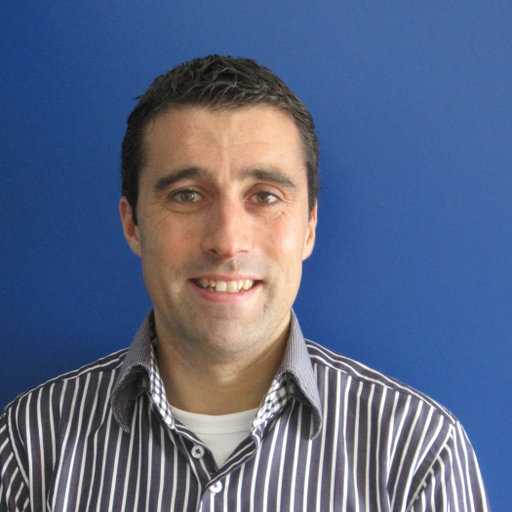
Dr John van Oorschot is Senior Lecturer /researcher; program leader Circular Building @ SURD Research Center. His passion links to research and innovation projects into circular building and modernisation of the construction industry. Currently, John is employed as a lecturer in sustainable construction management at Zuyd University of Applied Sciences in The Netherlands. He is also part of the Smart Urban Redesign research group. The aim of this research group is to contribute to a vital, zero energy, and circular built environment and coach and empower students to realize this goal. His research interests center on the topics of innovation development and adoption, in particular in the context of circular building and modernisation of the construction industry.
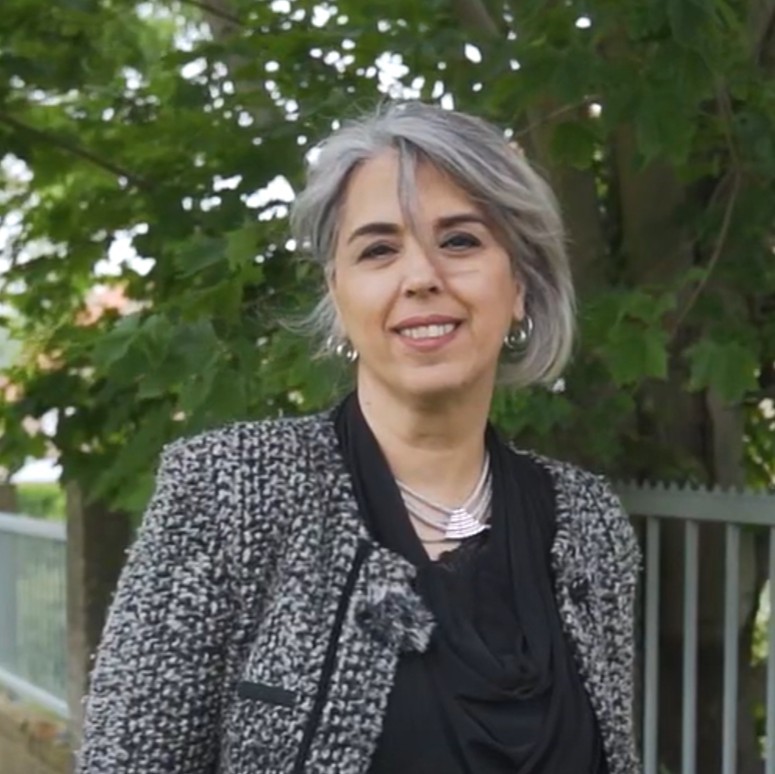
Dr Nurhan Abujidi is the leader of SURD (Smart Urban Redesign), since 1 March 2018. Nurhan has been committed to improving liveability, quality of life and well-being in the built environment. The research group Smart Urban Redesign (SURD) focuses on improving liveability, quality of life and well-being in the built environment. Besides research projects, the professorship contributes to educational activities within the Built Environment programme at Zuyd University of Applied Sciences. This enables aspiring professionals to devise, design and implement new building concepts and processes. SURD devise solutions for the future in the fields of energy, materials and health. We focus on improving the efficiency and usability of the built environment and public spaces.
The professorship has three lines of research: Urban transformation, Energy transition, Circular building technology.

Roman Puchko is a Co-Founder and CEO of ReThink – a circular economy and green innovations NGO, based in Kyiv, Ukraine. ReThink is known for its dedication to pre-cycling and circular design (free water refill in Kyiv; circular economy hackathons organizer; driver for circularity in built environment). Roman holds an MSc degree from Wageningen University in Management, Economics, and Consumer Studies (2011) and has completed a course on Circular Cities at the University of Amsterdam (2019). He has been a member of Innovations development council under the Prime Minister of Ukraine. Roman is also an evaluator of the USF Calls (within Energy & Environment sectors). Since 2019, a special focus for ReThink is dedicated to the topic of circular cities and circularity in the built environment, since they do realize that if cities don’t become circular – everything else won’t matter in our journey towards climate neutrality. As Ukraine has to be rebuilt after the war in a better & greener way, ReThink understands everyone has to work even harder to ensure Ukrainian cities & municipalities (together with private sector) adopt the most advanced circular strategies on different levels.
THE LECTURE
THE PRESENTATIONS
Presentation by Dr. Nurhan Abujidi, head of Smart Urban ReDesign SURD, Zuyd University, Heerlen, The Netherlands.
Presentation by Dr. John van Oorschot, researcher at the Smart Urban ReDesign SURD, Zuyd University, Heerlen, The Netherlands.
 Tools for Post Conflict Urban Recovery