

Dr. Julie Lawson, RMIT University, Melbourne
Galyna Sykhomud. Research associate at Institute for European Urban Studies at Bauhaus University Weimar. Coordinator of the Crises, Conflict, and Recovery Group at the European Network for Housing Research (ENHR).


SESSION 1 learning Objectives
At the end of this session, you will be able to:
1. Critically understand different housing policy challenges affecting the right to adequate housing, with a focus on Ukraine.
2. Be aware of relevant international best practices, their success and shortcomings3. Be able to apply these approaches to Ukraine’s context
Summary
This lecture will consider the reconstruction of adequate long term housing in post conflict countries. It will make reference to past housing reconstruction efforts, with a focus on the Germany, Netherlands, Austria and Finland, and consider their key policy instruments, implementation challenges and outcomes. The Marshall plan supported a range of housing outcomes, from home ownership, to municipal rental and co-operative housing, often building strategically on pre-existing institutional foundations in a new way. Recently a major UN study of European best practices put forward policy tools and illustrations that can underpin more affordable, inclusive and sustainable housing and some of these tools have been put forward for consideration in Ukraine’s Recovery. According to the World Bank (August 2022) the most damage-affected sectors in Ukraine are housing (40 percent of total damage) and transport (31 percent). Informed by past European efforts and contemporary best practices, this lecture will also consider ideas being put forward for Ukraine. With this understanding and diverse viewpoints, the current and potential approach of the Ukrainian government will be discussed.
Educational methods
The course involves an in class lecture. Students will be placed into small groups for informed discussion on the housing reconstruction, lessons of past experiences, European best practices and Ukraine’s own view of housing related recovery and reform. 5 minute group presentations engaging with approaches to reconstruction of adequate housing and recovery.
Literature
- Wertheimer, R (1958) The Miracle of German Housing in the Postwar Period, Land Economics , Nov. Vol. 34, No. 4, pp. 338-345 University of Wisconsin Press https://www.jstor.org/stable/3144545
- Rae Dufty-Jones (2018) A historical geography of housing crisis in Australia, Australian Geographer, 49:1, 5-23, DOI: 10.1080/00049182.2017.1336968
- UNECE (2021) #Housing2030: Effective Policies for Affordable Housing in the UNECE Region, United Nations, Geneva https://www.housing2030.org/reports
- Lomosova, N and Fedoriv, P (2019) Ukraine: Current State and Prospects for Reform, Housing Policy in Ukraine, CEDOS, Kyiv, https://cedos.org.ua/en/researches/derzhavna-zhytlova-polityka-v-ukraini-suchasnyi-stan-ta-perspektyvy-reformuvannia/
Extra resources
- Workshop “Affordable, decent and healthy housing for Ukrainian cities” | UNECE various presentations.
- Various reports on housing, Social Policy Think Tank, CEDOS, Kyiv Housing | Cedos.
- Is Marota City the Type of Reconstruction Syrians Need? – The Aleppo Project.
- Demyanov, V. (2022) Reconstruction of Ukraine. Experience of Chernobyl resettlement How to rebuild Ukraine – a lesson from the Chernobyl past (zn.ua).
- Housing in Ukraine after the war, VOX Housing in Ukraine after the war (voxukraine.org).
- Lisheva, A. (2019) Housing in Kiev: Why don’t we have a place to live? Commons Journal of Social Criticism , https://longreads.tni.org/housing-in-kiev.
- Lawson, J. and Gajda, G. (2022) Ukraine’s housing recovery requires well designed strategic capital investment, Housing Finance International, Autumn, International Union for Housing Finance, Brussels pp. 26-30.
- World Bank (2022) Ukraine Rapid Damage and Needs Assessment (English). Washington, D.C. : World Bank Group. http://documents.worldbank.org/curated/en/099445209072239810/P17884304837910630b9c6040ac12428d5c
Contributors
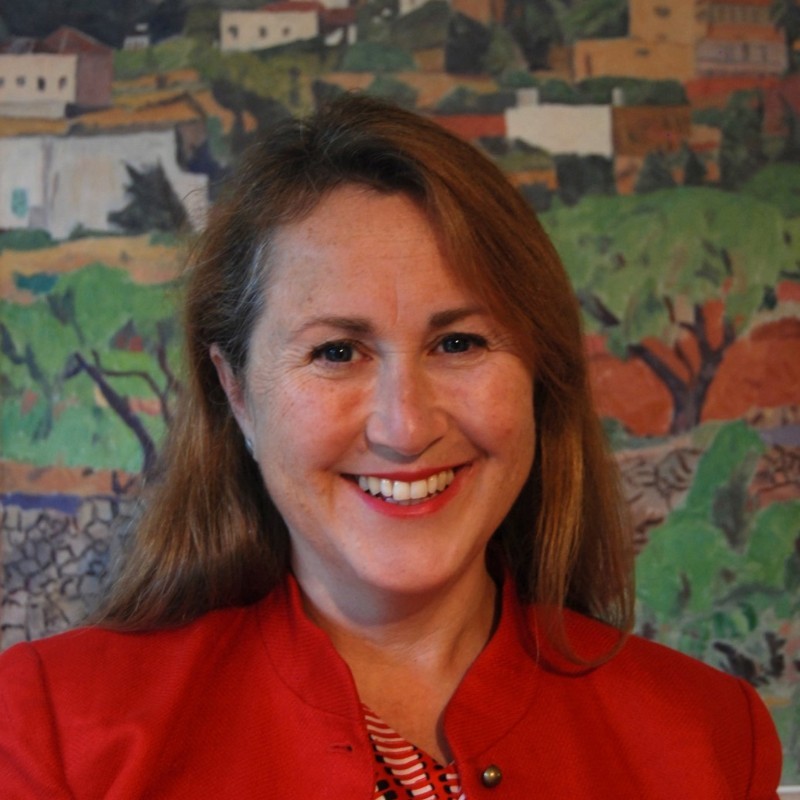
Dr. Julie Lawson is Adjunct Professor at the Centre for Urban Research, RMIT University, Melbourne. Julie is lead author of the UN Report #Housing2030 by UNECE, UN Habitat, and Housing Europe and co- author of the report Rebuilding a Place to Call Home, published recently by PBL (The Netherlands Environmental Assessment Agency). Her interests include international comparative research, urban development, land and housing policy and social housing finance. Julie is currently Associate Editor of the leading journal Housing Theory and Society and has been awarded two AHURI grants in 2014 and 2015 for international research focusing on the transformation of public housing under federalism and the individualisation of housing assistance.
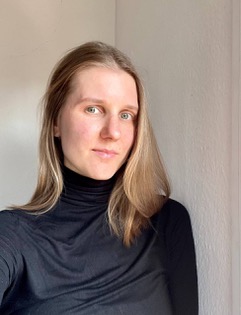
Galyna Sukhomud (UA/DE) is an urbanist and researcher. She holds MSc. European Urban Studies from Bauhaus University Weimar. Currently, she is a research associate at Institute for European Urban Studies at Bauhaus University Weimar (Germany) and NGO “New Housing Policy” (Kyiv, Ukraine). She is also a coordinator of the working group Crises, Conflict, and Recovery at the European Network for Housing Research (ENHR).
 Tools for Post Conflict Urban Recovery