
dr. Julie Lawson, RMIT University, Melbourne
Ukrainian Commentator: Oleksandr Anisimov, doctoral researcher at Aalto University.

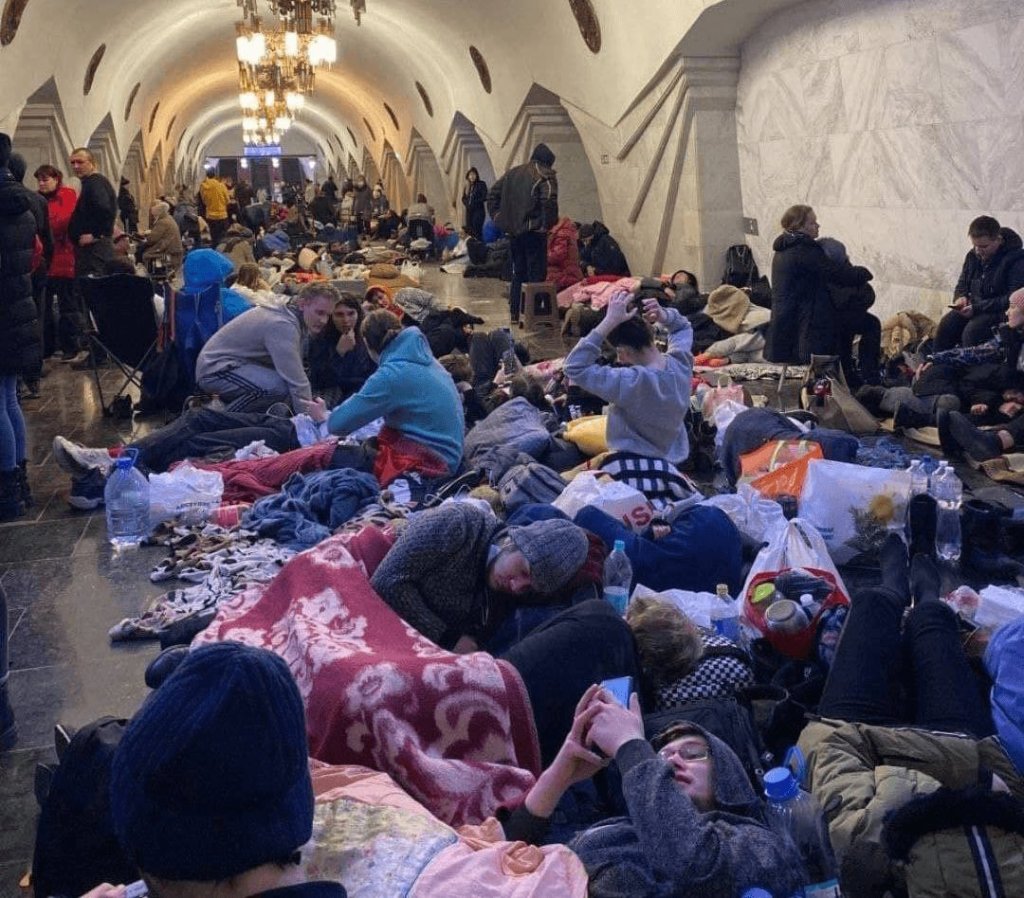
S8 Learning objectives
At the end of this session, you will be able to:
1. Understand the significance of land policy to post conflict recovery
2. Be aware of the different tools of land policy and how they can be used3. Apply these tools to inclusive and sustainable urban planning approaches
Summary
This lecture concerns the links between property rights, planning and development outcomes via land policy instruments. These instruments include public land banking, land re-adjustment, conditional land leasing, land use zoning, land value capture and land taxation. Their use in post conflict reconstruction will be examined as well as contemporary illustrations of best European practices. Students will apply this via a practical group exercise which they will share via short presentations.
Educational methods
There will be an introductory lecture and application exercise to a fictional neighbourhood involving mixed ownership and land uses, that has undergone partial destruction and is under going a process of renewal. In groups students will examine how different land policy tools can be applied to serve community needs .
Literature
- Davy, B (2012) The myths of property meet the comfort of planning, Chapter 1 in :and Policy: Planning and the Spatia Consequences of Property, Ashgate
- Daniel Fitzpatrick (2002) Land policy in post-conflict circumstances: some lessons from East Timor, Working Paper No. 58https://www.unhcr.org/3c8399e14.pdf
- Lawson, J and Ruonavaara, H (2021) Land policy for affordable and inclusive housing, RMIT, University of Turjy, Finnish Academy of Science https://smartland.fi/wp-content/uploads/Land-policy-for-affordable-and-inclusive-housing-an-international-review.pdf
- The Housig Agency (2022) Talking about Land Series, You tube series of videos https://www.housingagency.ie/news-events/talking-about-land-series
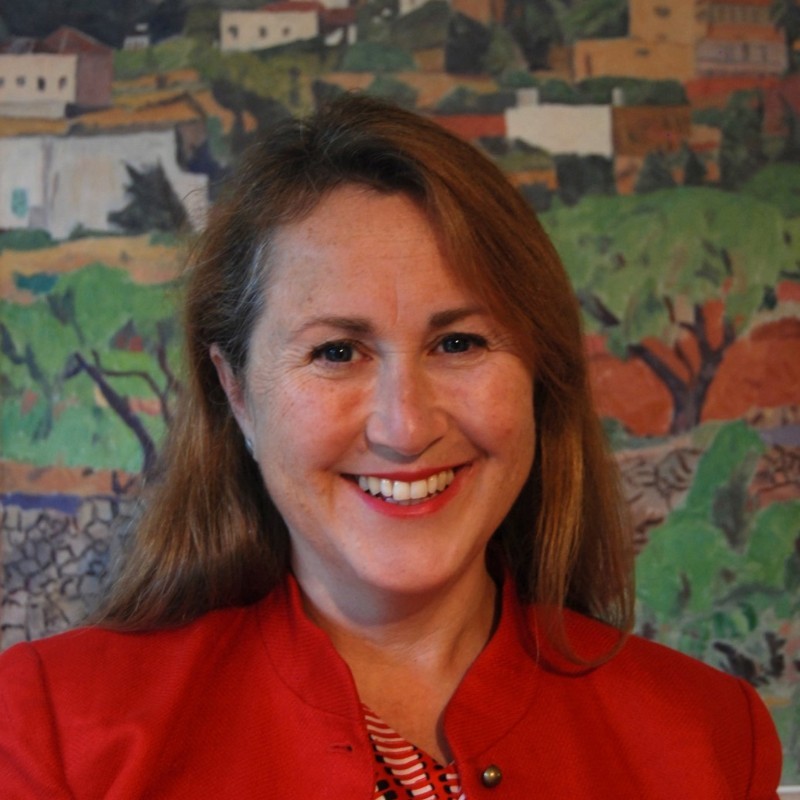
Dr. Julie Lawson is Adjunct Professor at the Centre for Urban Research, RMIT University, Melbourne. Julie is lead author of the UN Report #Housing2030 by UNECE, UN Habitat, and Housing Europe and co- author of the report Rebuilding a Place to Call Home, published recently by PBL (The Netherlands Environmental Assessment Agency). Her interests include international comparative research, urban development, land and housing policy and social housing finance. Julie is currently Associate Editor of the leading journal Housing Theory and Society and has been awarded two AHURI grants in 2014 and 2015 for international research focusing on the transformation of public housing under federalism and the individualisation of housing assistance.
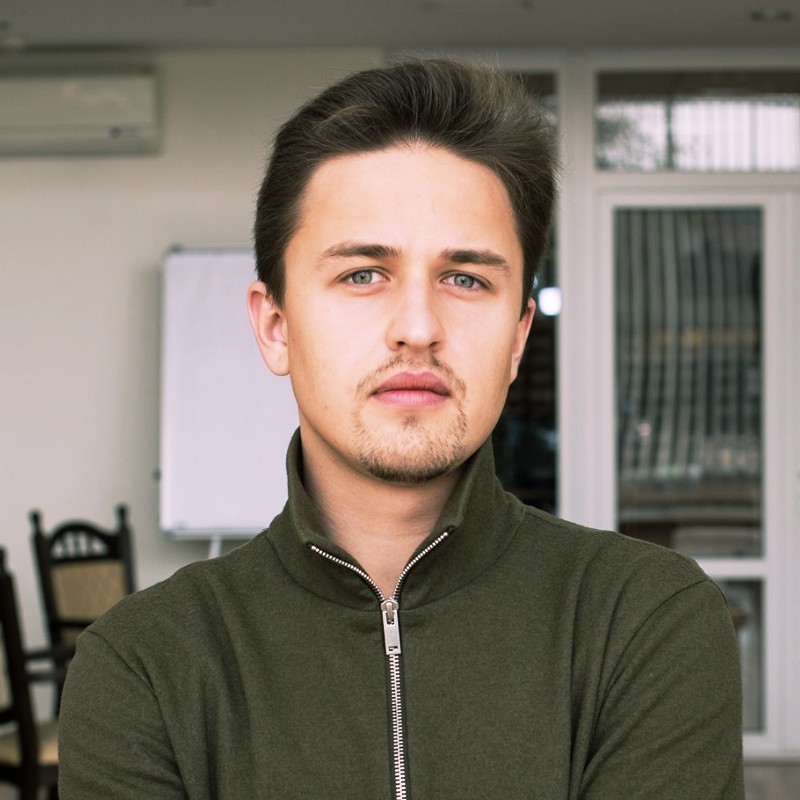
Oleksandr Anisimov is a Ukrainian urban researcher, co-organiser and author of several articles in the publication After Socialist Modernism – architecture, planning and urban design of the 1980s. He is currently a doctoral researcher at Aalto University in Finland.
 Tools for Post Conflict Urban Recovery