Dr. Caroline Newton, dr. Juliana Gonçalves, dr. Roberto Rocco.
Ukrainian Commentator: Alirza Mamedov, Dean of the School of Urban and Spatial Planning, Kyiv National University of Construction and Architecture.

S5 Learning Objectives
At the ed of this session, you will be able to:
- Make informed decisions based on an in depth understanding of the concept of spatial justice.
- Understand how justice plays a role in social sustainability and overall sustainability.
- Understand how citizen participation can deliver better policy and better design, increasing attachment, compliance, acceptance and ownership.
- Understand the challenges of citizen participation and the tools available to promote it.
Summary
This session seeks to describe the concept of spatial justice and to unpack its implications for spatial planning and the role of planners in delivering just and inclusive cities and communities. It addresses spatial justice as a crucial dimension of sustainability, particularly of social sustainability. It explores ideas about participation in planning process and presents a critical analysis of instruments of participation around the world.
Educational methods
Online lecture and open discussion using MENTIMETER.
Literature
- Healey, P. (1996). The communicative turn in planning theory and its implications for spatial strategy formation. Environment and Planning B: Planning and Design, 23, 217-234.
- Miraftab, F. (2016). Insurgent Planning: Situating Radical Planning in the Global South. In S. S. Fainstein & J. DeFilippis (Eds.), Readings in Planing Theory (4th ed.). Wiley Blackwell.
- Rocco, R. (2022). Teaching Spatial Justice: Four Exercises on Communicative Rationality. In R. Rocco, A. Thomas, M. Novas (Eds.), Teaching Design for Values: Concepts, Tools & Practices (pp. 54-77). TU Delft OPEN.
Resources
- BlendED Education on Global Urban Perspectives: https://www.blendededucation.nl
- RETHINK THE CITY: NEW APPROACHES TO GLOBAL & LOCAL URBAN CHALLENGES.
- The Spatial justice of the Commons. UN-Habitat Global lectures.
Contributors
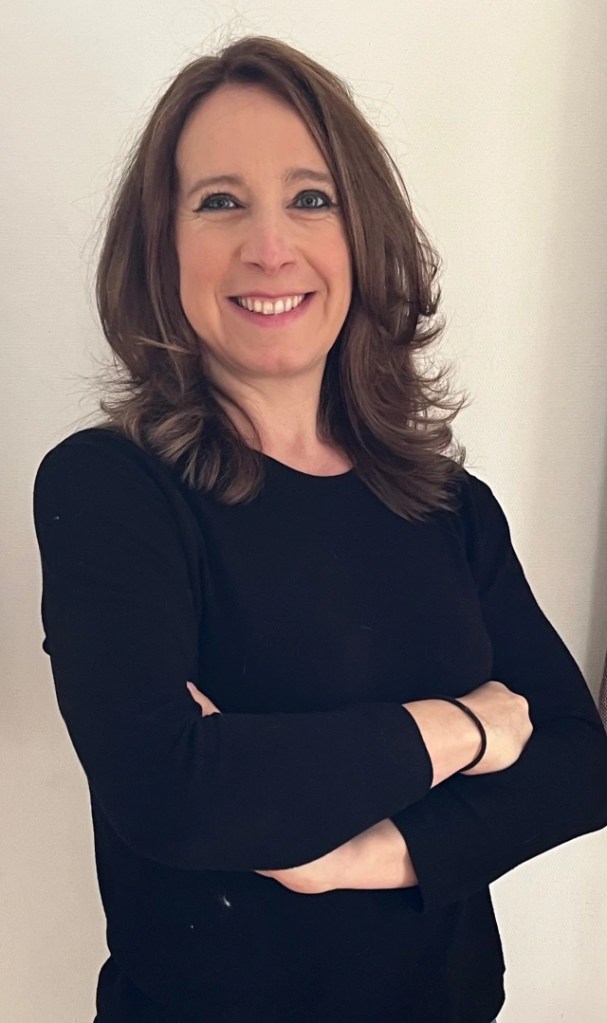
Caroline Newton is an urban planner, an architect and a political scientist. She is fascinated by the connections between the social and built environments. Since the beginning of 2019, she has been the Van Eesteren Fellow at TU Delft’s Faculty of Architecture and the Built Environment, Department of Urbanism. She has done research on (informal) housing and participatory upgrading, postcolonial architecture and planning dynamics, and the methodological and pedagogical complexities of a designerly approach to knowledge production.
Together with Roberto Rocco, she leads the Centre for the Just City at TU Delft. More information at her TU Delft page.
Juliana Goncalves is an Assistant Professor at the Faculty of Architecture and the Built Environment at TU Delft. She is also part of Centre for Urban Science and Policy and the TPM AI Lab. My current research seeks to understand the spatial dimension of the urban environment in order to inform policy on the challenges of equitable distribution of resources in cities. I also have extensive experience in the field of energy & buildings. Housing, energy, food, waste, transportation, water. When it comes to climate change (justice!), understanding the whole system becomes an even greater challenge. She believes that diversity and transdisciplinary collaboration are key to tackle this challenge.Her research interests include spatial & climate justice, public participation and community engagement, energy transition, housing & buildings, urban resilience, energy communities, circular economy, and related policy implications.
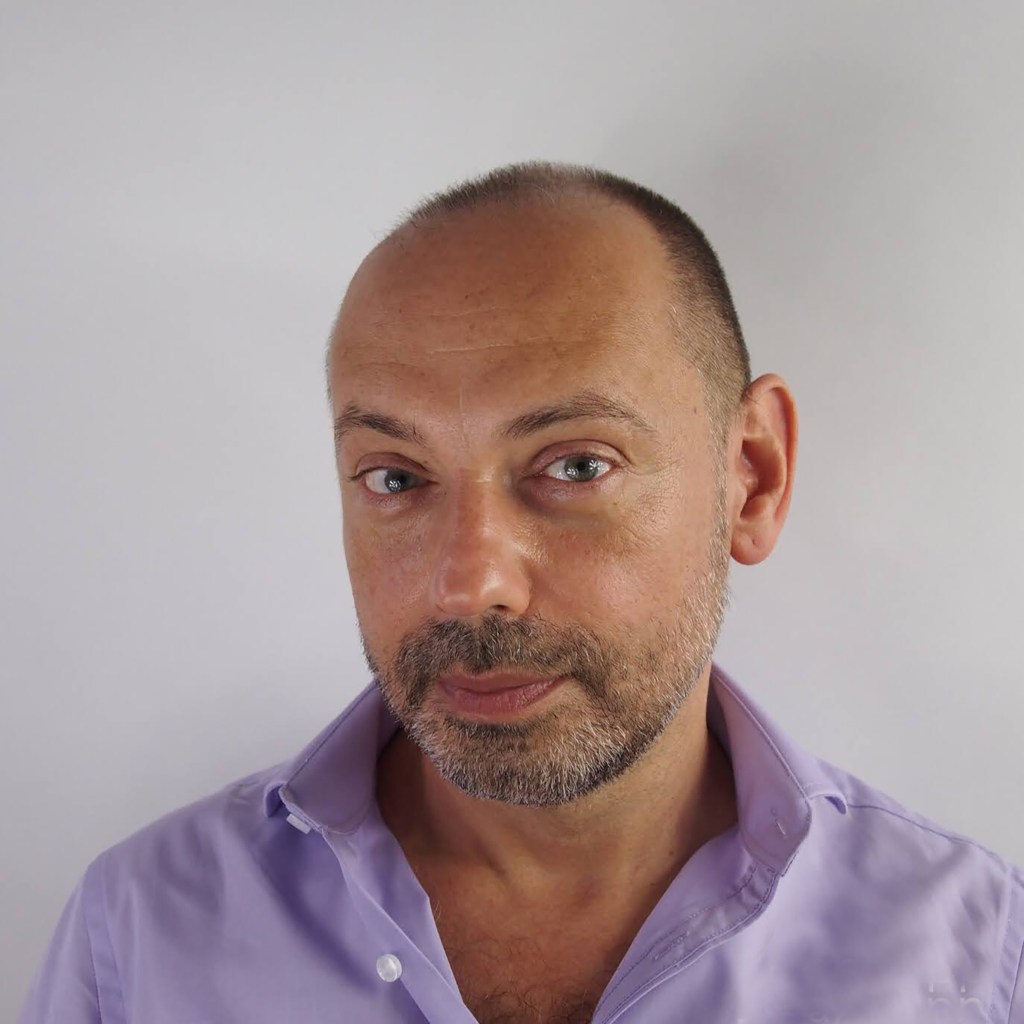
Roberto Rocco is an Associate Professor of Spatial Planning and Strategy at the Faculty of Architecture and the Built Environment of TU Delft. Roberto is trained as an architect and spatial planner with a master’s in planning by the University of São Paulo and a PhD by TU Delft. Roberto focuses on governance for sustainability transitions, as well as issues of governance in regional planning and design. This includes special attention to Spatial Justice as a crucial dimension of sustainability transitions. Roberto has also published extensively about informal urbanisation in the Global South, and he does research on how informal institutions influence and shape planning at the local level. He is a consultant for the Union for the Mediterranean and has recently drafted the UfM Action Plan for Sustainable Urbanisation 2040. He is one of the lead investigators of UP 2030 Urban Planning and design ready for 2030, a Horizon Europe project gathering 42 partners seeking to speed up the sustainability transition in European cities.
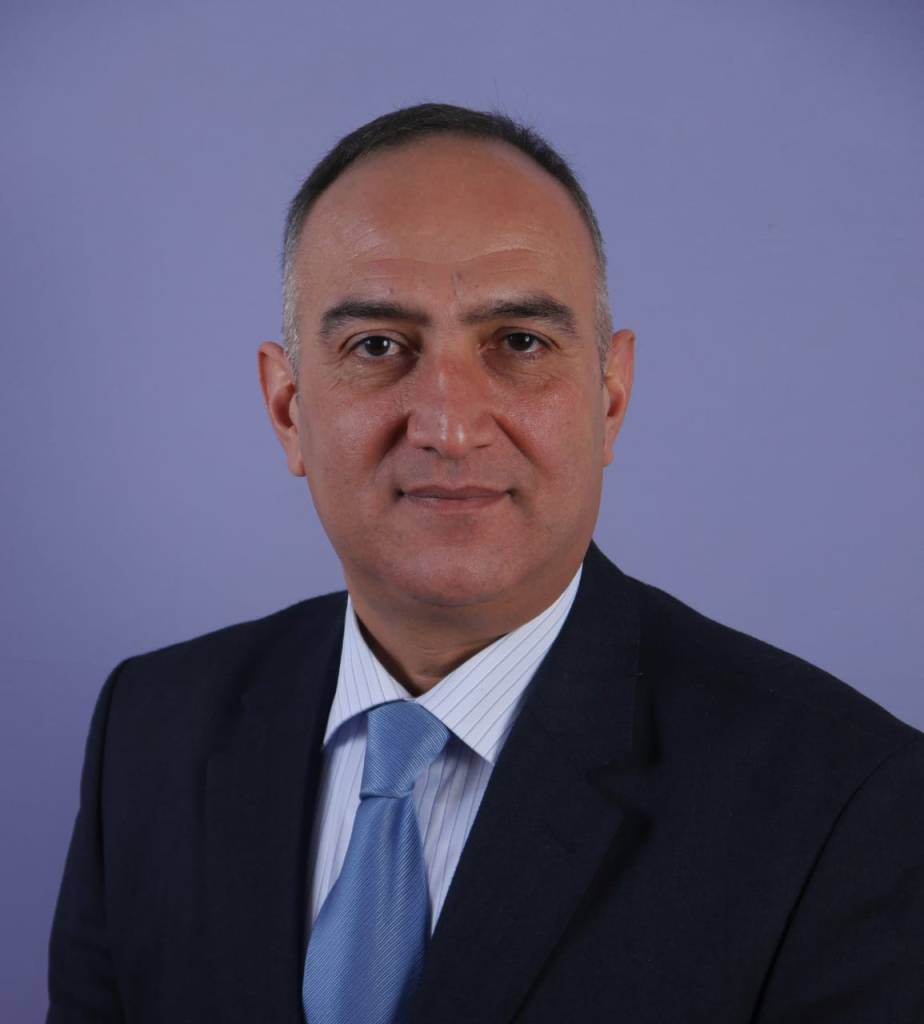
Alirza Mamedov is an Urban Planner.
He has been teaching Urban Planning and Urban Modelling since 1995 at Kyiv National University of Construction and Architecture. Currently he is Dean of the Urban and Spatial Planning Faculty of the same university. Alirza is one of the founders of the “School of Urban Studies” project, which has been held since 2017 with the participation of Ukrainian and foreign students, teachers, and specialists.
The lecture
The presentations
Presentation by dr Caroline Newton, Associate Professor of Spatial Planning & Strategy, EFL Fellow, TU Delft.
Presentation by dr Roberto Rocco, Associate Professor of Spatial Planning & Strategy, TU Delft.
Presentation dr Juliana Gonçalves, Assistant Professor of Spatial Planning & Strategy, EFL Fellow, TU Delft.
 Tools for Post Conflict Urban Recovery